

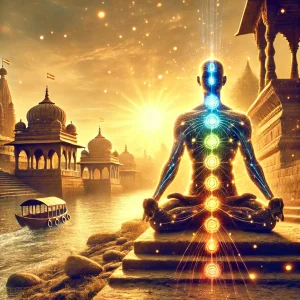
The Ancient Art of Chakra Balancing Across Cultures
For centuries, the concept of chakras—energy centers within the body—has been at the heart of ancient spiritual practices. From India to Egypt and even Native American traditions, chakra balancing was seen as a pathway to health, abundance, and spiritual enlightenment. Let’s dive into how these fascinating cultures embraced chakra balancing and how it transformed their lives.
India: The Birthplace of Chakras
The concept of chakras originated in ancient India, deeply rooted in the spiritual practices of Hinduism and Buddhism. The Vedas, some of the world’s oldest sacred texts, describe chakras as spinning wheels of energy that regulate physical, emotional, and spiritual health.
Ancient Indian yogis meditated to balance their chakras, using techniques like pranayama (breathing exercises), mantra chanting, and visualization. These practices helped them achieve heightened states of consciousness and physical healing.
Image Suggestion: A serene depiction of Indian yogis meditating with glowing chakra points along their bodies, near a sacred river like the Ganges.
Egypt: The Power of Crystals and Color Therapy
In ancient Egypt, chakras were not explicitly mentioned, but their influence is evident in the use of color therapy and gemstones for energy healing. Priests and priestesses believed that certain stones, like carnelian and lapis lazuli, could channel energy into specific parts of the body.
They used these tools in sacred rituals to heal illnesses and connect to divine energies. The color red, for example, was associated with vitality and grounding, aligning with the modern understanding of the root chakra.
Image Suggestion: An artistic representation of an ancient Egyptian priestess holding a glowing crystal, surrounded by symbols of the ankh and pyramids, with vibrant colors highlighting the chakras.
Native American Traditions: Balancing with Nature
Native American cultures understood energy flow as a connection between the body and the earth. Although they didn’t use the term “chakras,” their rituals focused on balancing internal energy.
Through grounding practices like walking barefoot, using sacred herbs such as sage, and working with spirit stones, they sought harmony between the physical and spiritual realms. This aligns closely with the modern concept of grounding the root chakra for stability and balance.
Image Suggestion: A Native American healer performing a ritual with sacred stones, surrounded by nature—mountains, rivers, and a fire pit.
How Chakra Balancing Transformed Lives
Across these cultures, balancing energy centers wasn’t just a spiritual practice—it was a way of life. People believed that aligning their chakras could:
- Heal physical ailments.
- Enhance emotional stability.
- Strengthen their connection to the divine.
Modern studies on meditation and energy healing suggest that these ancient practices still hold value today, offering a holistic approach to health and well-being.
Image Suggestion: A collage of symbols from each culture—Indian temples, Egyptian crystals, and Native American rituals—all tied together with glowing energy lines representing the chakras.
The Relevance of Ancient Wisdom Today
While the methods vary, the essence of chakra balancing remains universal: the belief in the power of energy to transform lives. Today, we can combine ancient wisdom with modern practices—using meditation, crystals, and energy work to restore harmony and unlock our full potential.
This journey isn’t just about personal transformation; it’s about reconnecting with the timeless wisdom that has shaped humanity’s understanding of energy and consciousness.
Image Suggestion: A modern figure meditating with glowing chakras, surrounded by subtle nods to ancient Indian, Egyptian, and Native American symbols in the background.